Biogas
Biogas (dung gas) is a clean, renewable and environmentally friendly source of energy. It is produced from the decomposition of animal dung, food waste and organic matter.
Biogas is primarily used to meet energy needs and for waste management in both rural and urban areas.
Below are the main benefits of biogas in detail:
1. Eco-friendly

Reducing greenhouse gases: Biogas production prevents methane gas from being released freely into the air, thereby reducing the amount of global warming.
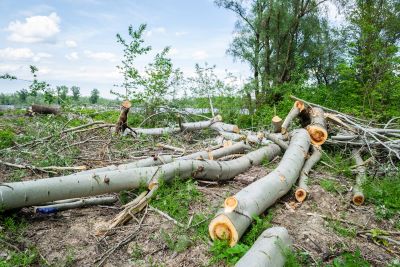
Prevent deforestation: Using biogas instead of wood for cooking stops the slaughter of trees.
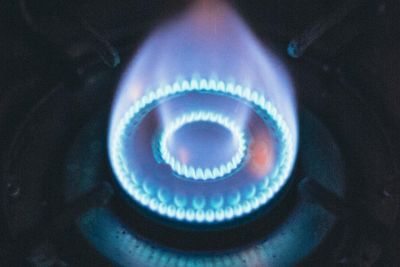
Smokeless fuel: This gas does not emit smoke when burned, which does not cause air pollution.
Energy self-reliance
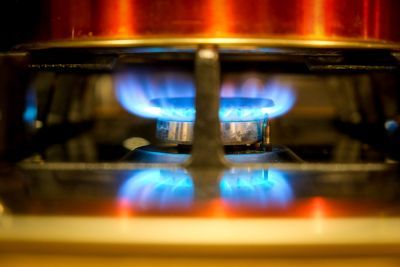
Renewable Source: This is a great source of never-ending (renewable) energy.
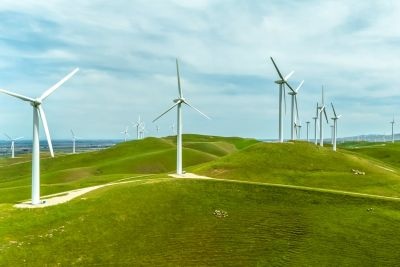
Uninterrupted supply: Biogas is not completely dependent on weather conditions like solar or wind energy, allowing for 24-hour energy supply.

Electricity generation: Electricity can also be generated in rural areas by producing biogas on a large scale.
2. Financial savings and income
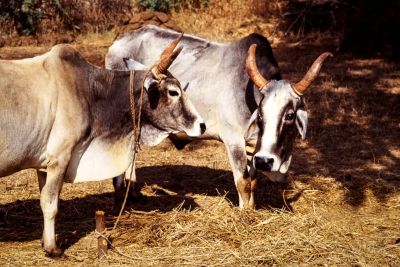
Free fuel: Since gas is produced at home from cow dung and wet waste, the cost of LPG cylinders is completely saved.
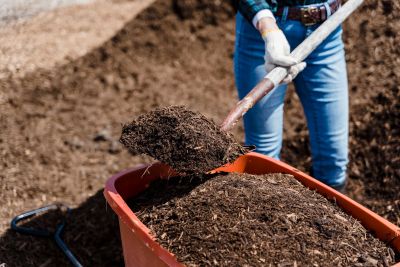
Excellent organic fertilizer: The 'slurry' (farm manure) left over after biogas production can be used in the fields as a highly nutritious organic fertilizer. This saves the cost of chemical fertilizers.
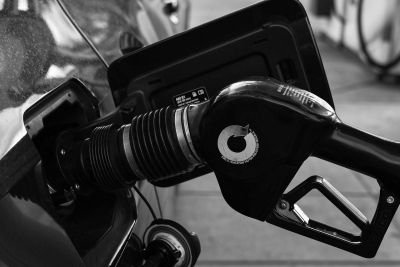
Alternative to other fuels: Upgraded biogas can be compressed (CBG - Compressed Bio Gas) and used as a fuel similar to CNG for vehicles.
3. Rural Development and Health
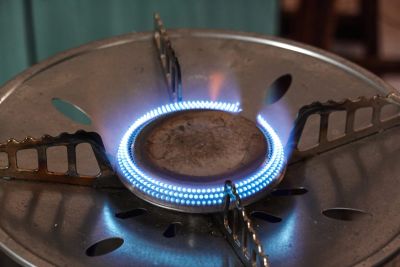
Excellent health: Smoke-free cooking prevents women in the house from developing eye and respiratory diseases (such as asthma).

Cleanliness: Since cow dung and organic waste go directly to the biogas plant, dirt and odor do not spread around the house and in the village.

Time saving: It saves women's time collecting firewood, which they can use for other tasks.