Solar Energy
Solar energy has many important benefits, which are beneficial not only for the environment but also for human life.
Solar energy is a non-conventional and renewable energy source derived from the sun.Main advantages of solar energy:

Non-renewable and never-ending source: Sunlight is abundantly available on Earth and never-ending.
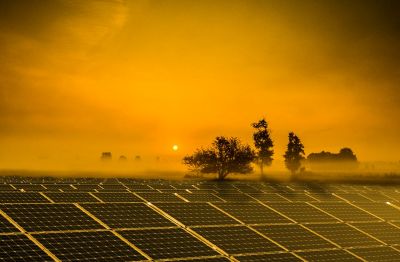
Zero (reduce) electricity bills: Installing solar panels at home can meet the electricity requirement, resulting in huge savings in electricity bills.

Power supply in remote areas: Solar energy is a great option in rural or mountainous areas where electricity grids cannot reach.

Government Subsidies: The Indian government provides large subsidies (grants) for the use of solar energy, which reduces the cost of this system.

Clean Energy: No greenhouse gases or harmful carbon emissions are produced during solar energy generation, which causes no pollution.

Low Maintenance: Solar panels do not require much maintenance once installed. They can last for 10-15 years.
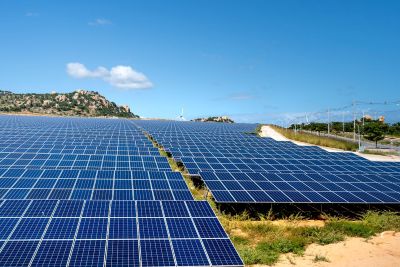
Use in various devices: Solar energy can be used not only for electricity, but also for water heating (Solar Water Heater), cooking (Solar Cooker) and irrigation (Solar Pump).

Non-renewable and never-ending source: Sunlight is abundantly available on Earth and never-ending.

Job Creation and Economic Growth: The solar industry creates employment opportunities in various sectors such as manufacturing, installation, and maintenance.

Low carbon emissions: Solar energy is a clean energy, which does not produce carbon emissions or heat-generating greenhouse gases when operating.
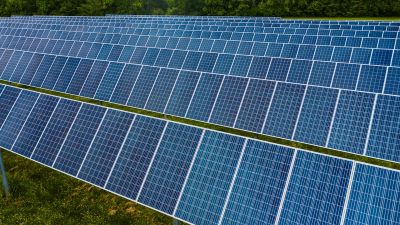
Renewable and sustainable energy source: Solar energy is an inexhaustible, 100% renewable source that reduces dependence on fossil fuels.
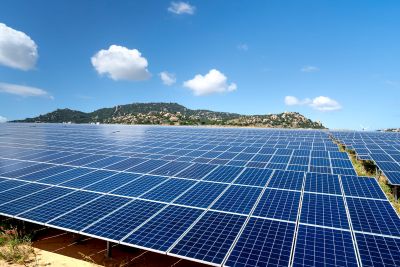
Versatility and scalability: From small residential rooftop panels to large-scale utility projects, systems can be expanded to suit a variety of needs.